NGC: an ode to those who dare to keep looking up
Why NGC?#
Before we knew that the universe is bigger than the Milky Way, astronomers spent centuries looking up at the fuzzy patches of light in the sky, not knowing what they were. One such astronomer, John Louis Emil Dreyer, spent decades compiling the New General Catalogue of Nebulae and Clusters of Stars (abbreviated NGC), a catalogue of thousands of deep-sky objects. This catalogue laid the foundations of extragalactic astronomy by providing a vocabulary for researchers to share their observations. Yet it was far from perfect: it had duplicate entries, wrong positions, and some objects that don’t exist. Towards the end of Dreyer’s life, Edwin Hubble showed that one of its entries, NGC 224 (now known as the Andromeda galaxy), was in fact a galaxy, revealing the universe extended far beyond the Milky Way. Dreyer may have lived just long enough to understand the true nature of what he had observed.
I think of my hazy, often imperfect posts as entries in my own NGC. I hope one day these ideas and observations may serve as the basis for someone to reveal some truth about our universe. Meanwhile, those astronomers’ persistence reminds me to keep looking up.
My NGC entries so far#
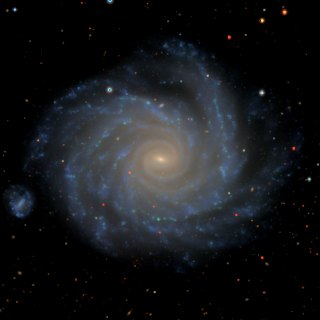 NGC 1232Spiral galaxy
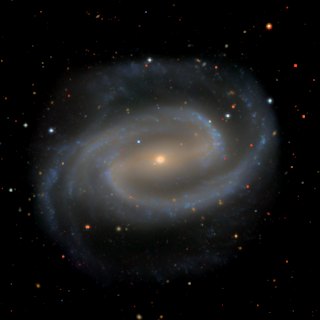 NGC 1300Spiral galaxy
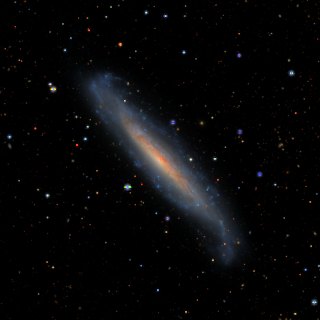 NGC 1448Spiral galaxy
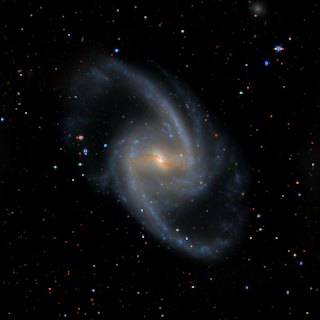 NGC 1365Spiral galaxy
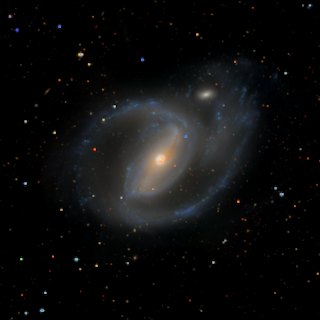 NGC 1097Barred spiral galaxy
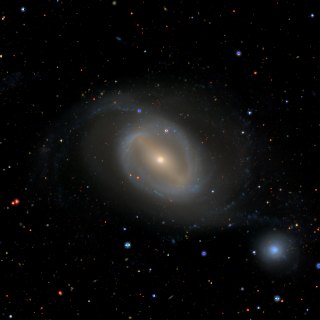 NGC 1512Spiral galaxy
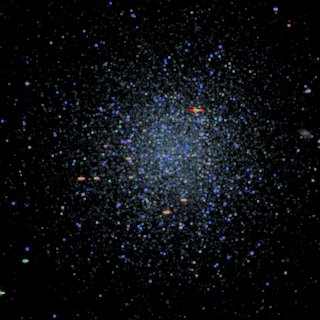 NGC 288Globular cluster
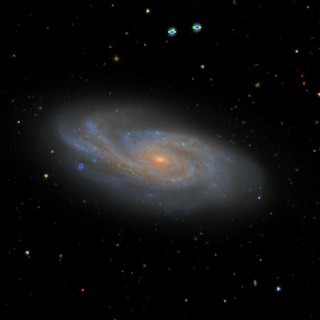 NGC 908Spiral galaxy
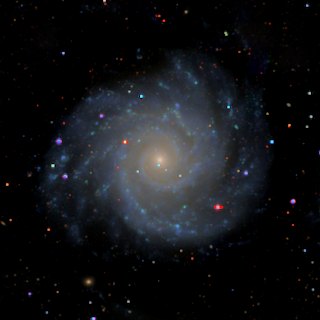 NGC 628Spiral galaxy
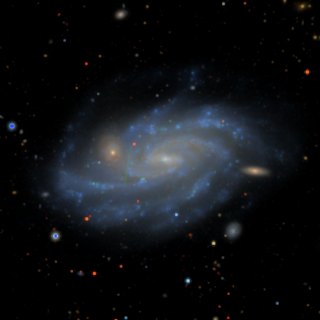 NGC 578Spiral galaxy
Image credits#
NGC images: Legacy Surveys / D. Lang (Perimeter Institute), from the Legacy Surveys Data Release 10 (DECam), licensed under CC BY 4.0. Colors processed for this site. Full acknowledgment.
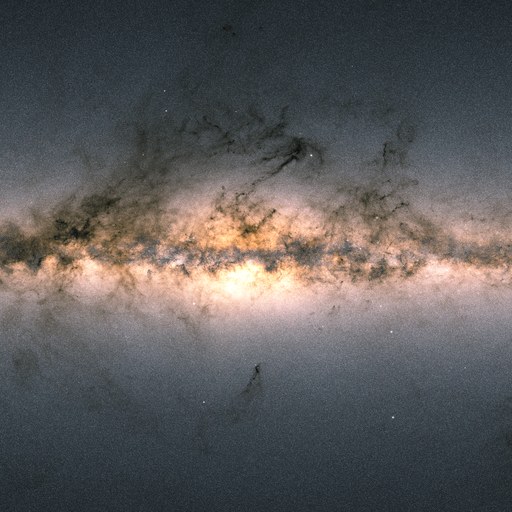
Milky Way image (cropped): ESA/Gaia/DPAC, A. Moitinho (CC BY-SA 3.0 IGO). The square crop used here is an adaptation of that map and is shared under the same license, CC BY-SA 3.0 IGO.
Object names, types and sizes: OpenNGC, licensed under CC BY-SA 4.0.